On April 10, 2006, I went to school with a whiteboard and a sign around my neck, signaling to my teachers and peers that I was participating in the Day of Silence.
My science teacher, who I didn’t realize at the time was gay, helped students at my high school organize. The day before, as he handed out whiteboards and dry erase markers, we discussed the purpose of the day and why we were taking part. We participated to honor all of the LGBTQ+ people around the world who couldn’t speak, who were forced to not live as their true selves, who were attacked or murdered for being gay.
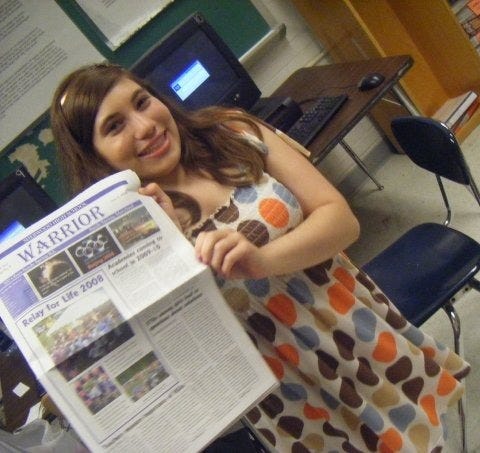
All day, I stayed mostly silent throughout class unless called on by a teacher. I wrote answers to classwork on my whiteboard, spoke to friends by scribbling erasable words. It wasn’t particularly difficult for me, being a very shy kid.
I look back on 14-, 15-year-old me, getting jostled around in the hallways of high school, trying to avoid stink bombs and bullies, joining the newspaper and then becoming the editor-in-chief.
Even though my queerness wasn’t clear to me then, I felt called to participate, to honor those whose voices were silenced. My high school didn’t have a Gay-Straight Alliance (GSA) (now called Genders & Sexualities Alliance), but taking a small action on the Day of Silence felt quietly powerful.
It would be over a decade — many years after high school, even years after college — before I realized I’d been participating for myself, too.
The Day of Silence was organized in 1996 by Maria Pulzetti and Jessie Gilliam, students at the University of Virginia, as a class project on nonviolent protest to highlight the silencing of LGBTQ+ students and their allies in schools. In 1997, the protest expanded to nearly 100 campuses across the nation. The Gay, Lesbian, and Straight Education Network (GLSEN) became the official organizational sponsor in 2000, but the Day of Silence remains a student-led event.
It’s held annually on the second Friday of April. During this day, students take a vow of silence to raise awareness of the erasure of LGBTQ+ students and topics in schools — and around the world. Students go through the school day without speaking, to spotlight the silencing effect of anti-LGBTQ+ bullying and harassment. They often end the day with a Breaking the Silence rally to bring attention to ways their schools and communities can become more inclusive.
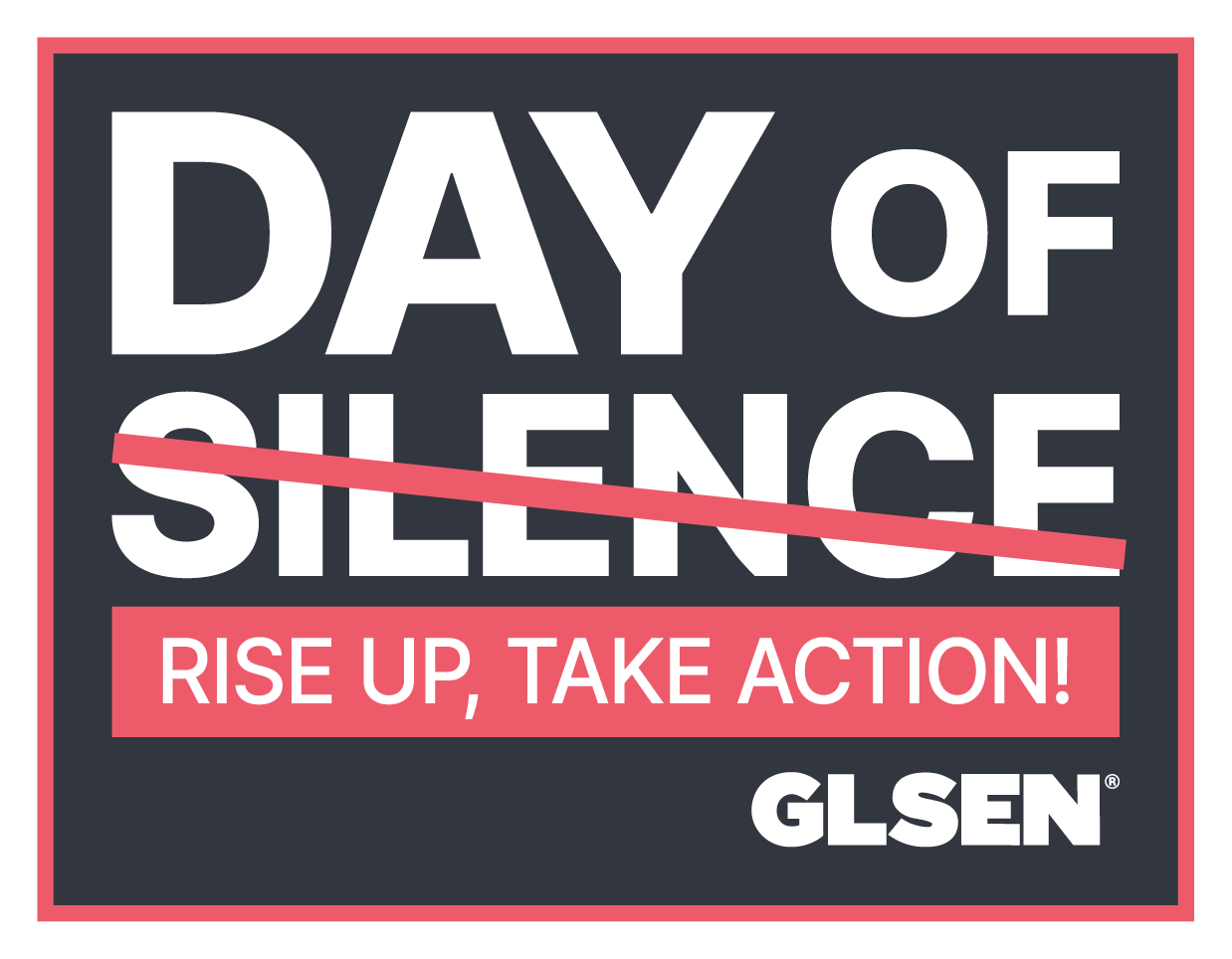
In 2024, nearly 20 years after I first participated, the GLSEN shifted to a Day of (No) Silence in opposition to the current attempted erasure of LGBTQ+ people, especially transgender and nonbinary people, from public life. “Being silent is no longer an option,” the GLSEN’s website states.
At a time when anti-LGBTQ+ and anti-trans hostility is rising, using our voices is vital. The Supreme Court’s recent ruling to uphold conversion therapy as protected speech sets a dangerous precedent. Conversion therapy is malpractice: it is associated with depression, anxiety, PTSD responses, self-blame and low self-esteem, loss of connection to community, damaged familial relationships, and suicidality. LGBTQ+ youth who experienced conversion therapy are more than twice as likely to attempt suicide. (Important note to anyone who needs it: 988 is the free, 24/7 suicide hotline. Please reach out if you need to).
Moments like the Day of Silence in high school return to me as I grow older. Fourteen and 15-year-old me could never have imagined my fulfilling, challenging, love-filled life as a gay woman. My partner and I celebrated our four-year anniversary yesterday. And we plan on celebrating many, many more.
Awareness days like the Day of Silence are so important for young people — they broaden their understanding of the world beyond themselves, are affirming, and community-building.
Did you participate in your middle or high school’s Day of Silence? Did your school have a Gay-Straight Alliance? Was your coming out journey linear, or were you also a later in life queer bloomer?