Suicide prevention programs train employers and employees on skills to help colleagues in crisis
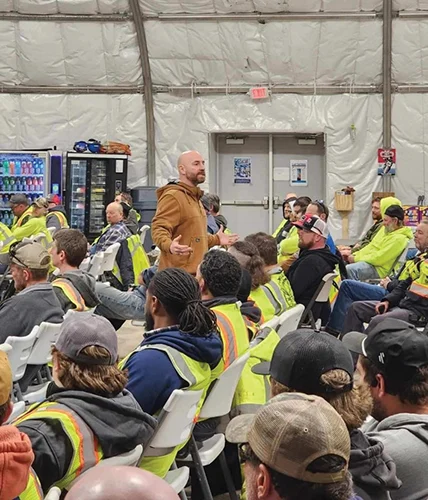
The suicide rate among U.S. construction workers is twice the national average, according to a study released last year by Purdue University and The Center for Construction Research and Training.
“It’s clear that this is a problem in the construction industry, above and beyond other industries,” said Dr. Sally Spencer-Thomas, a clinical psychologist, president of United Suicide Survivors International, lead author of the National Guidelines for Workplace Suicide Prevention, and creator of VitalCog, a suicide prevention program with a specialized focus on the construction industry.
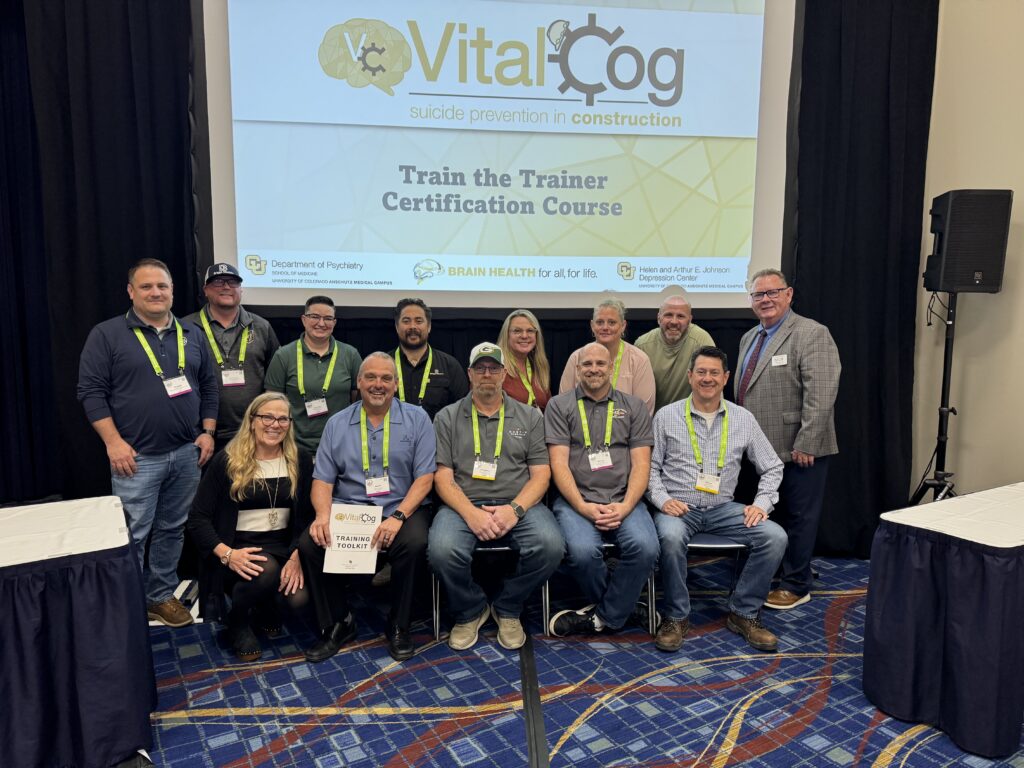
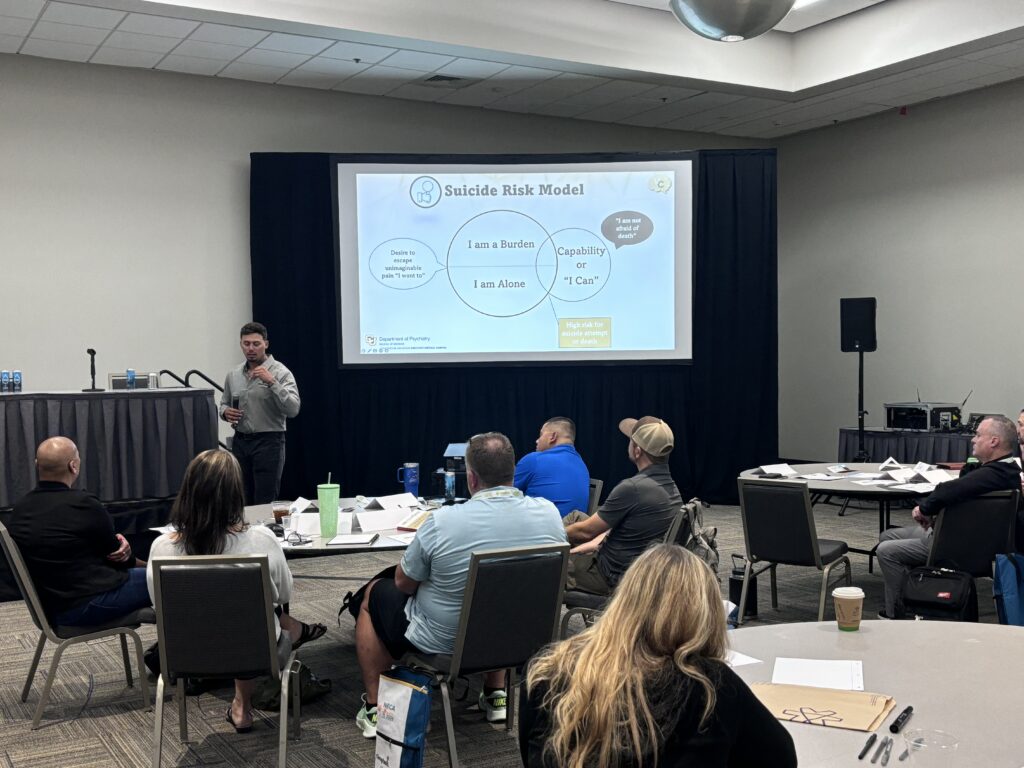
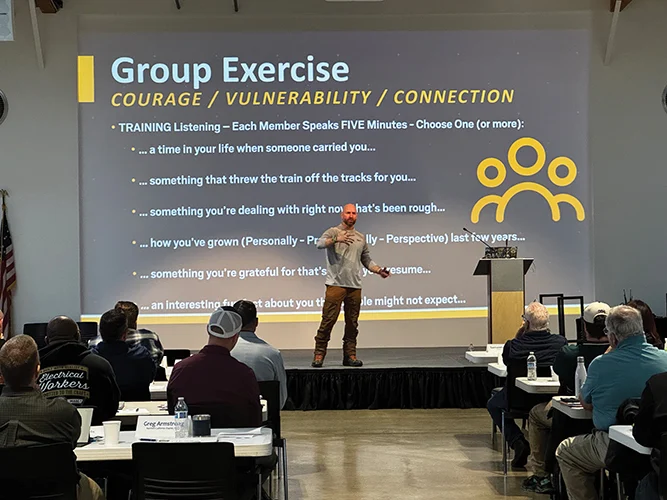
Important programs and organizations — like VitalCog; the University of Colorado Anschutz’s Depression Center; and leaders like Josh Rizzo and Tom Murphy, the founder of Sweethearts & Heroes — train employers and employees on the critical skills to help colleagues in crisis.
Learn more about the importance of mental health support and suicide prevention in my latest article for Electrical Contractor Magazine.
You can find more of my articles published by Electrical Contractor Magazine in this archive.

I also recently wrote an article for UNCF about how attending historically Black colleges and universities (HBCUs) — or even living in close proximity to an HBCU — is linked to better later-life cognitive outcomes for Black Americans, according to a recent study published in JAMA Network Open.
Higher education is a strong social determinant of reduced risk of Alzheimer’s disease and related dementias (ADRD), according to an article from Alzheimer’s Association. The study published in JAMA highlights what students experience on the ground — culturally affirming spaces help promote and protect long-lasting cognitive health.
Read more about the link between cognitive health and HBCU attendance.
May is National Mental Health Awareness Month. I appreciate being able to write about these topics because I have also experienced anxiety, depression, and PTSD.
Depression can make it difficult to reach out to family and friends, due to shame, feeling like a failure or burden, or just the all-encompassing fatigue that can accompany a depressive episode. You can lose interest in your passions and have trouble focusing. The hypervigilance that often comes with anxiety and PTSD can affect your ability to enjoy, be present, and just be at ease.
“Everyone you meet is fighting a battle you know nothing about. Be kind.”
I understand how important it is to spread awareness and resources — because I intimately know the challenges of mental health and actively seek support. Just the act of talking about “not being ok” is huge. Our society is so focused on keeping up appearances, only posting the highlights of our lives on social media, responding “I’m good” when coworkers ask “how are you?” — but we often don’t know someone’s reality.
“Everyone you meet is fighting a battle you know nothing about. Be kind.” This quote has been attributed to Scottish author Ian Maclaren (the pen name of Reverend John Watson) as well as the late, great Robin Williams. It is an aphorism I do my best to remember every day.
If you are feeling overwhelmed or in need of mental health support, reach out to the 24/7 free suicide and crisis lifeline 988.
Thanks for reading.