The midterm elections are coming up next month. Hopefully you’ll exercise your right to vote.
Back in June, I saw a fitting show for election season (then, the primaries) — the musical Suffs at the National Theatre. It tells the story of how women fought for their right to vote. I learned about the suffrage movement in high school, albeit extremely briefly. So it was a treat to watch this historical musical — especially because Brandi Porter, who I went to high school with, starred in the show!
This year marks 106 years since ratification and adoption of the 19th Amendment, giving women — though, in actuality, only white women for quite awhile — the vote. Convincing Congress to pass the 19th Amendment took eight decades and three generations of women. And it wasn’t until 45 years later, with the passage of the Voting Rights Act, that Black women were fully enfranchised.
“You want me to wait my turn. To simply put my sex before my race? Oh, why don’t I leave my skin at home and powder up my face? Guess who always waits her turn, who always ends up in the back. Us lucky ones born both female and Black.”
— “Wait My Turn”
The show, written by Shaina Taub, didn’t gloss over or sugercoat the racist principles and leaders of the suffrage movement. Racism was prevalent in the movement. Many white women decried the fact that Black men received the right to vote before them, and some white women argued that Black women should “wait their turn” (which Suffs directly addresses in the song “Wait My Turn”).
For someone like me interested in language, it was intriguing to learn that there was a distinction between suffragist and suffragette. Suffragists, notably the National American Woman Suffrage Association (NAWSA), advocated for the right to vote using constitutional, nonviolent tactics like lobbying, petitions, writing letters to politicians, and public speaking. They believed in gradual persuasion and maintaining a moral high ground to win over male voters and Southern lawmakers.
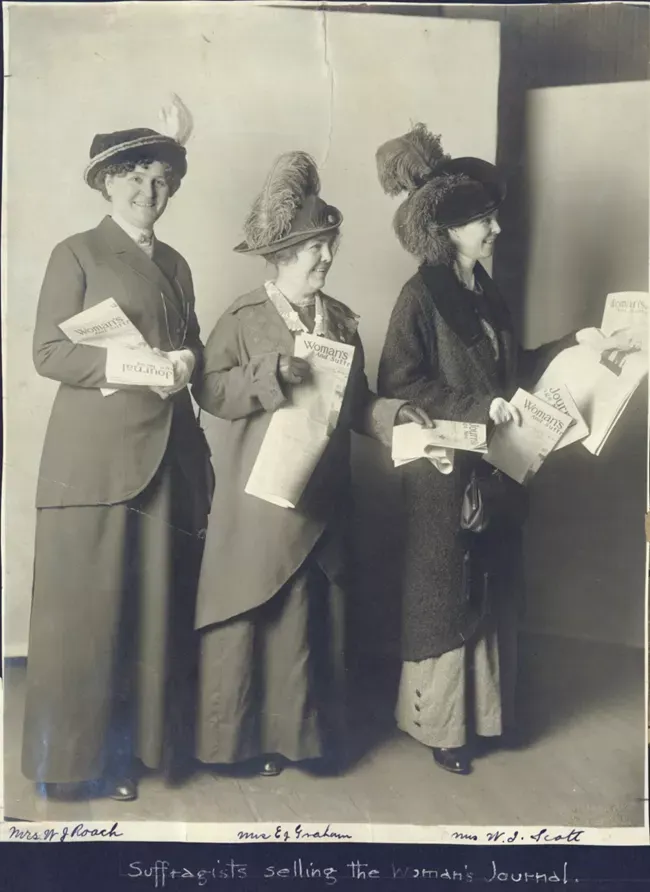
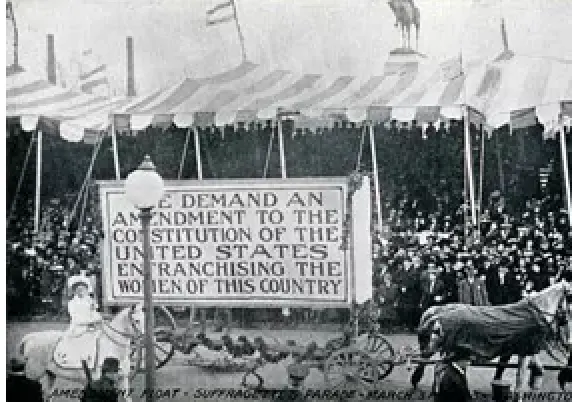
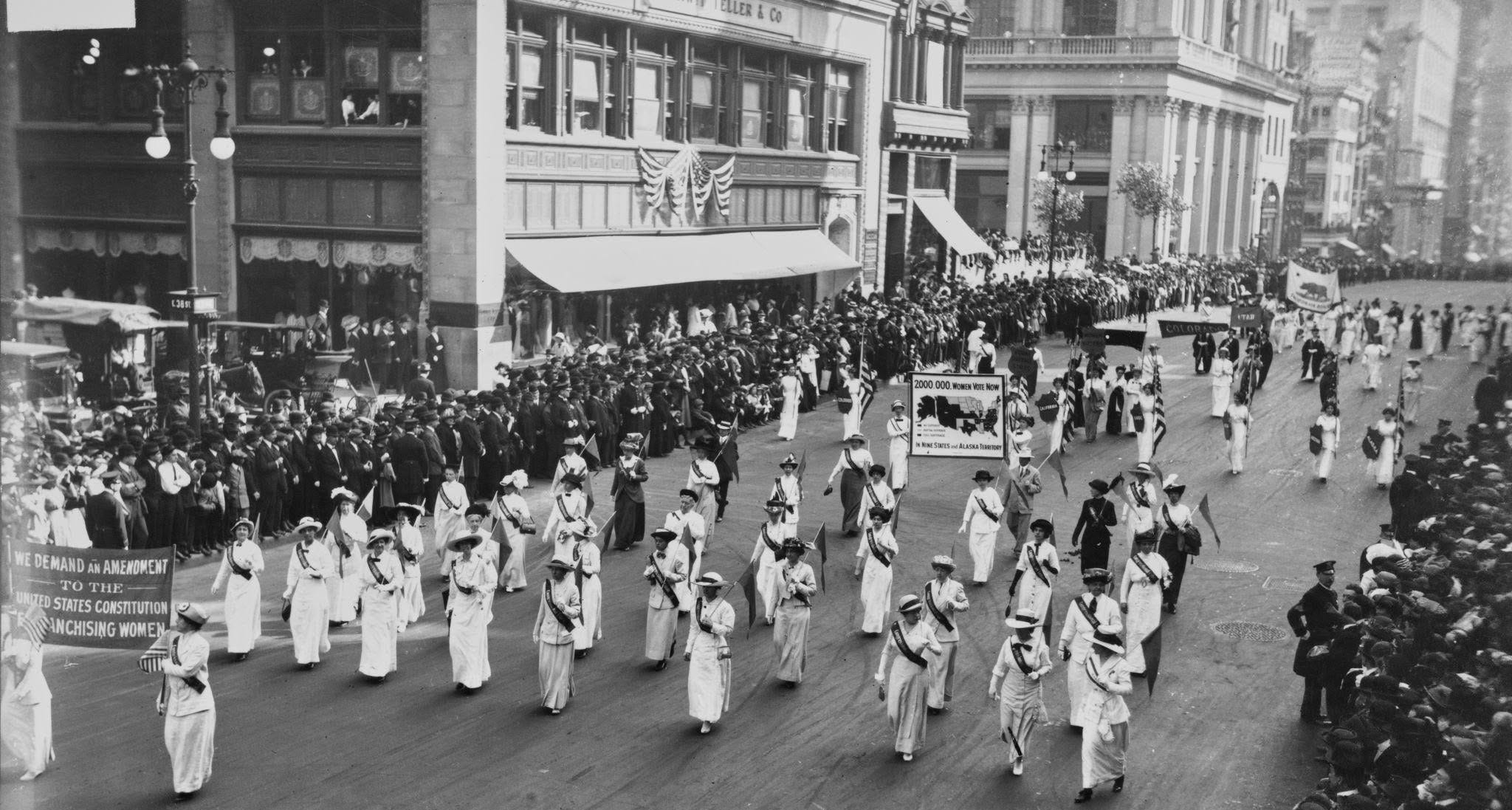
View more photos from the Library of Congress.
On the other end were suffragettes, notably the National Woman’s Party (NWP). The derogatory term using the French diminutive –ette (like kitchenette) was used in the press to mock and belittle them. But this only emboldened them. Suffragettes embraced the label and employed activist tactics like civil disobedience, direct action, public disruption, hunger strikes, chaining themselves to railings, and occasionally property damage to demand their right to vote rather than wait patiently or politely ask for it.
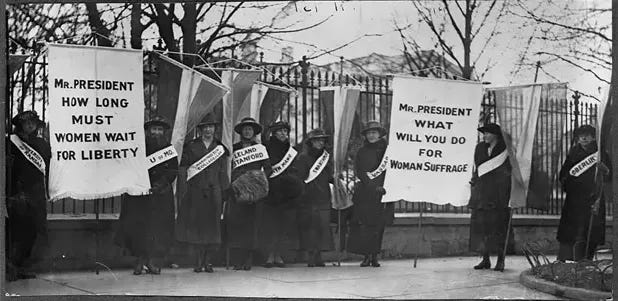
Alice Paul, the founder of NWP, led a group of more than 2,000 women in peaceful pickets outside the White House — the first group in U.S. history to use picketing as a tactic at the People’s House. Rotating groups of women, called the Silent Sentinels, stood outside the White House gates holding banners that used President’s Wilson’s words against him and called for voting rights for women.
The protest was considered radical at the time. Several women were arrested and conducted a hunger strike in prison. Their mistreatment (including force-feeding) created more sympathy for the suffrage movement. A U.S. Court of Appeals ended up clearing the women of all charges for their civil disobedience, creating a legal precedent for generations of protestors.
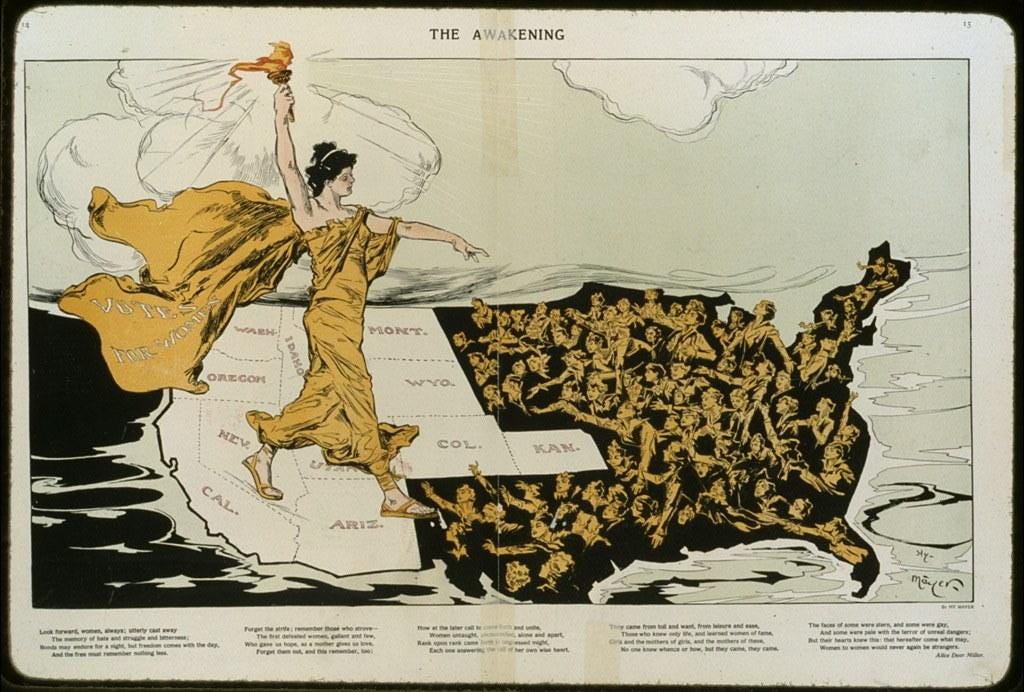
Suffragettes were often dismissed as hysterical. In “Insane”, Alice Paul sings, “wouldn’t you be hysterical if you had no voice?” Paul never married or had children; she was completely devoted to the suffrage cause. After the 19th Amendment passed in 1920, she moved right onto the next step — drafting the Equal Rights Amendment (ERA) in 1923, protecting the equality of rights under the law regardless of sex.
Sadly, the ERA — the 28th Amendment — still has not been formally codified into the Constitution. It faced decades of delays due to expired deadlines, state rescissions, and pending federal litigation. The ERA was passed by Congress in 1972 and sent to the states for ratification (Article V of the Constitution requires three-fourths of the states to ratify an amendment, which meant the ERA required the approval of 38 states, with an original deadline of 1979, which was later extended to 1982). In 2020, Virginia became the 38th state to ratify, meaning the ERA achieved the constitutional requirement (though some contest this due to Virginia and two other states ratifying after the 1982 extended deadline). And in 2025, President Joe Biden issued a Statement on the Equal Rights Amendment, declaring the ERA to be the law of the land.
The fight to secure women’s rights is ongoing.
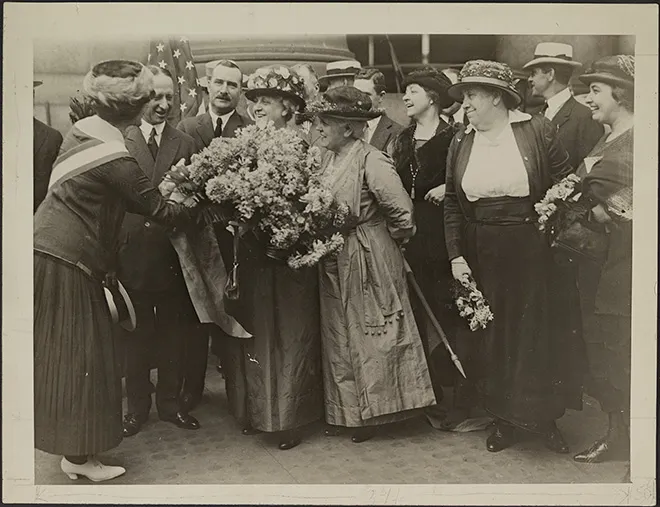
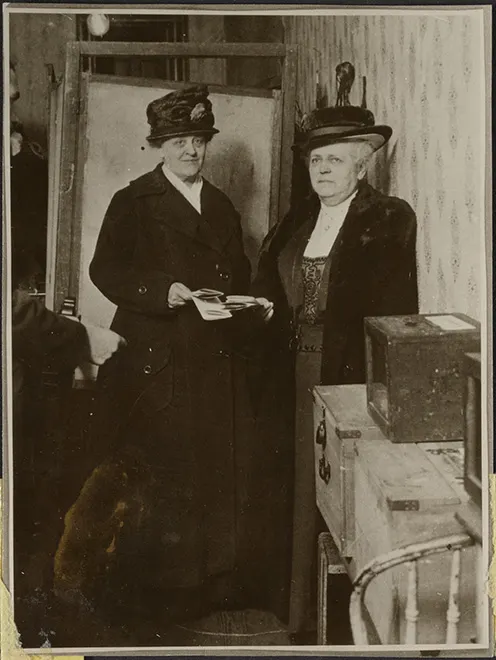
I was pleased to see that Suffs portrayed Carrie Chapman Catt’s woman partner, which was referred to as a friendship during her lifetime, but was likely a “Boston marriage”. She was a suffragist in the early 1900s, a conservative woman, an imperfect person — she encouraged Black women to march at the back of the picket line during the 1913 suffrage march, worried about alienating the Southern states she’d so painstakingly lobbied to gain support for the 19th Amendment. She had to act prim and polite around President Wilson, trying to convince him to “Let Mother Vote”, while having to hide such a personal part of herself, her queerness and relationship with fellow suffragist Mary Garrett “Mollie” Hay.
Many historians now recognize Catt as a queer icon. While she had two marriages to men, her long-lasting romantic partnership was with Mollie. They lived together as domestic partners, shared a house together, and even share a grave — Catt explicitly requested to be buried alongside Mollie instead of next to either of her deceased husbands. The inscription on their shared headstone reads: “Here lie two, united in friendship for 38 years through constant service to a great cause.”
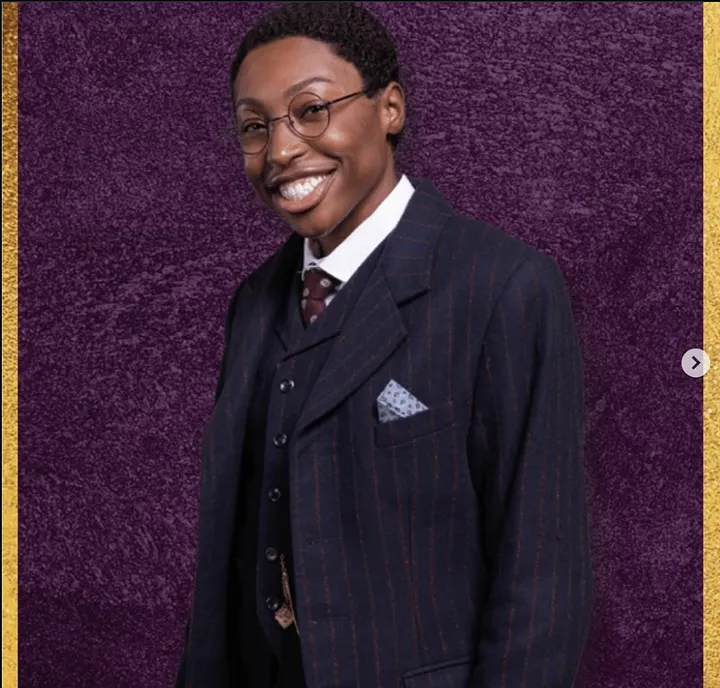
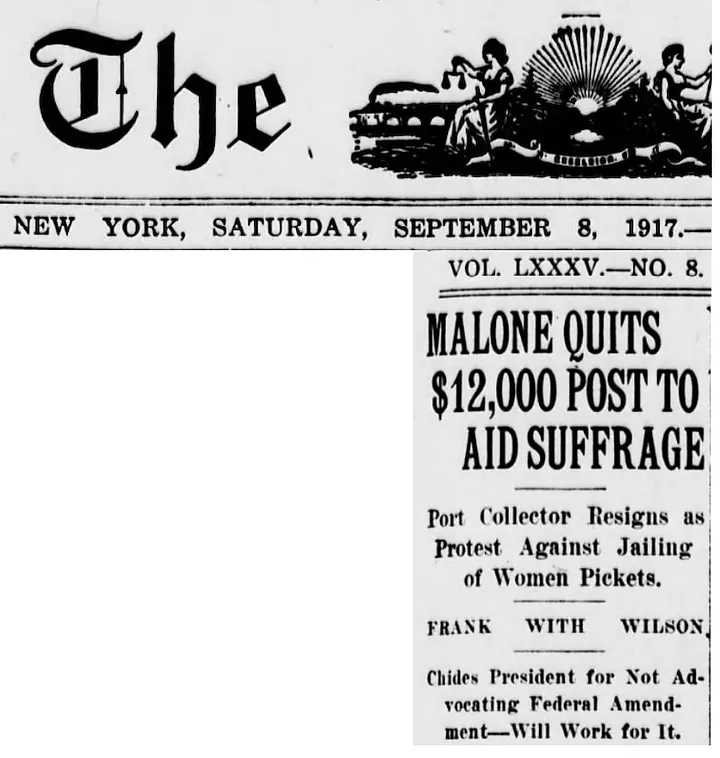
All the parts in Suffs were played by women, which was an extra nice touch. Brandi Porter was incredible as Dudley Malone! Malone was one of the Black men in history who stood up for women’s right to vote, resigning as port collector of New York to protest President Wilson’s refusal to support women’s suffrage (in the play, it was dramatized that he penned a critical op-ed in the paper).
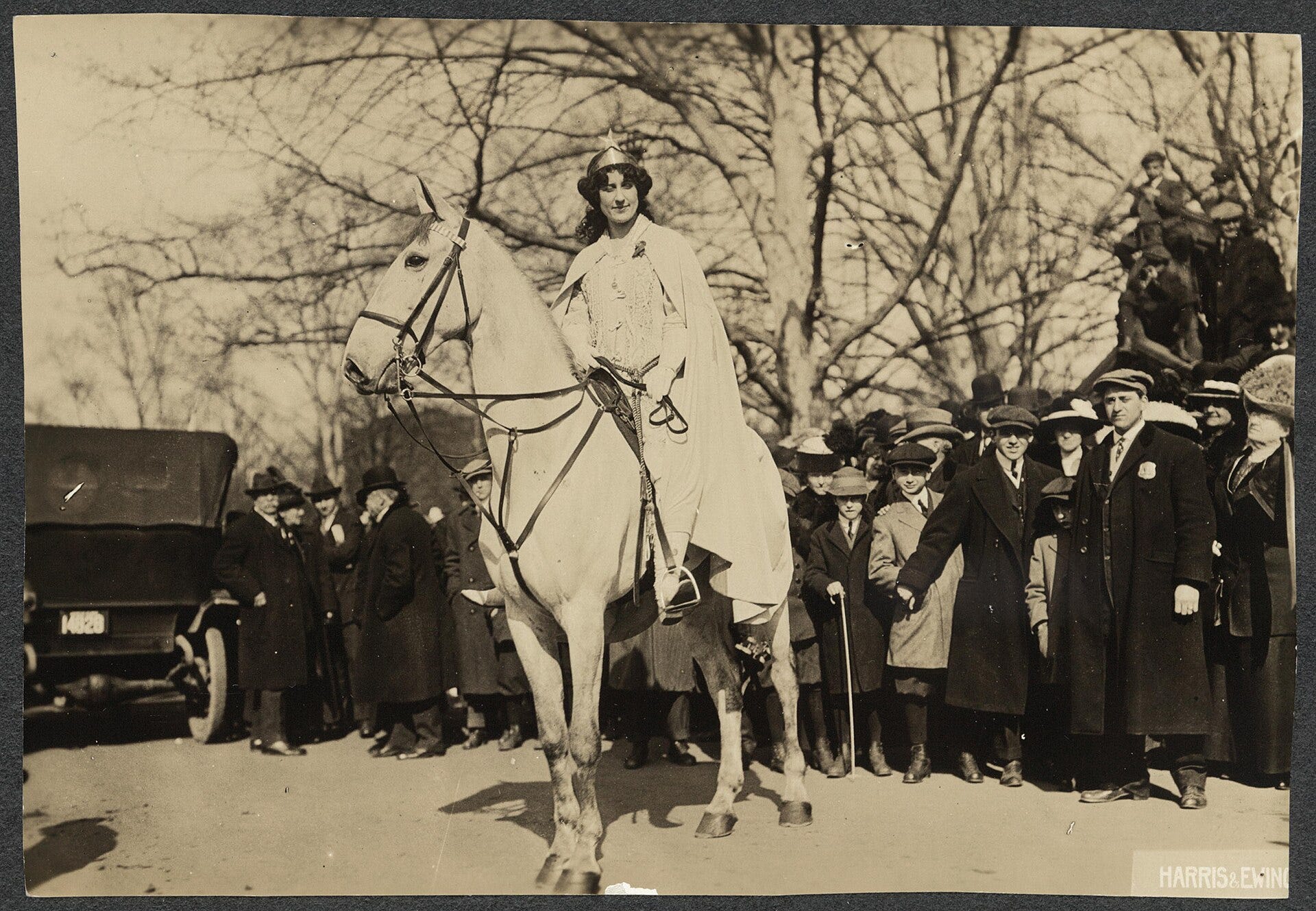
Don’t take your rights for granted. Women like Carrie Chapman Catt, Mary Garrett “Mollie” Hay, Inez Milholland, Alice Paul, Ida B. Wells, Ruza Wenclawska, and many more unnamed souls lost to the history books, died to grant women this right.
Rights, social change, justice, progress are not guaranteed — so we must exercise our rights and keep pushing forward. The work of progress, of equity, of social justice is never truly finished. We may not live to see the fruition of our work; but we owe it to ourselves, to our great-granddaughters (as the suffs sing in “Keep Marching”), to keep making the future better by changing the present.